

Gallery
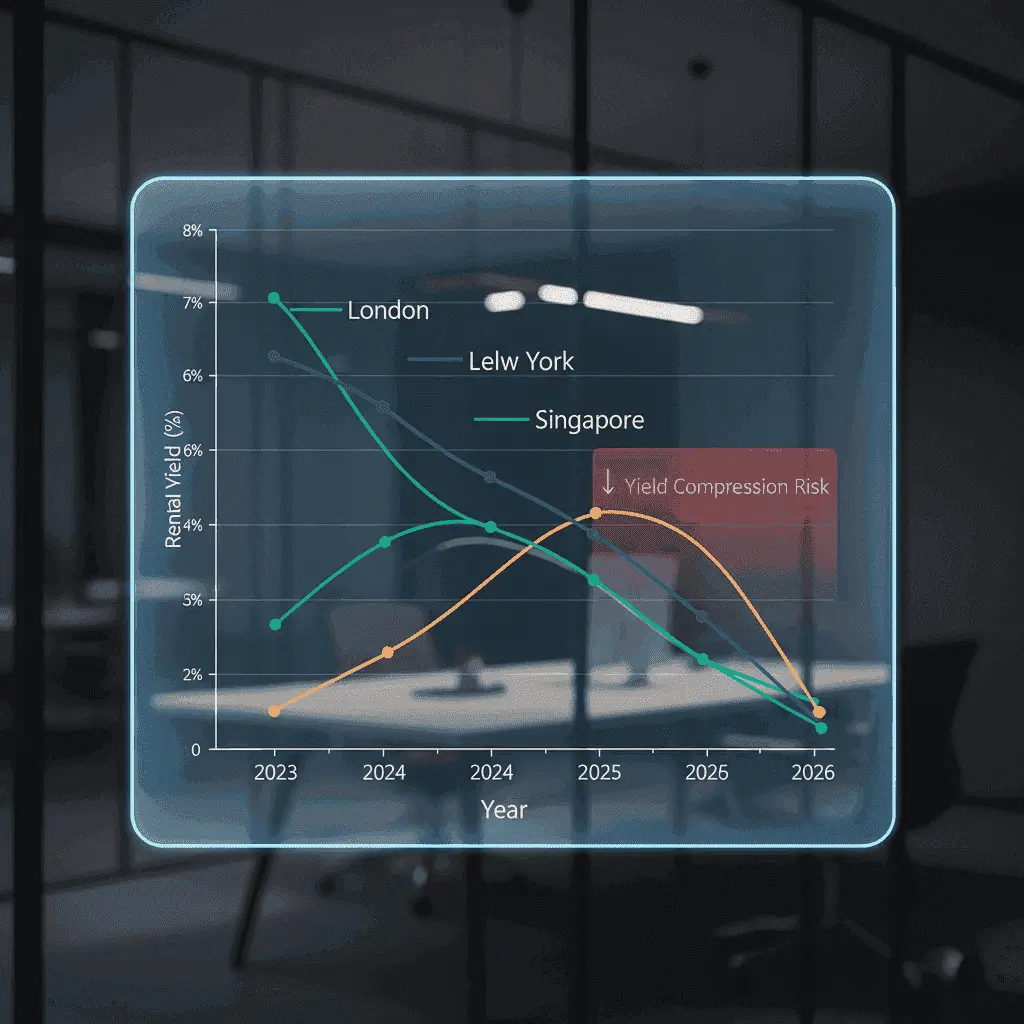
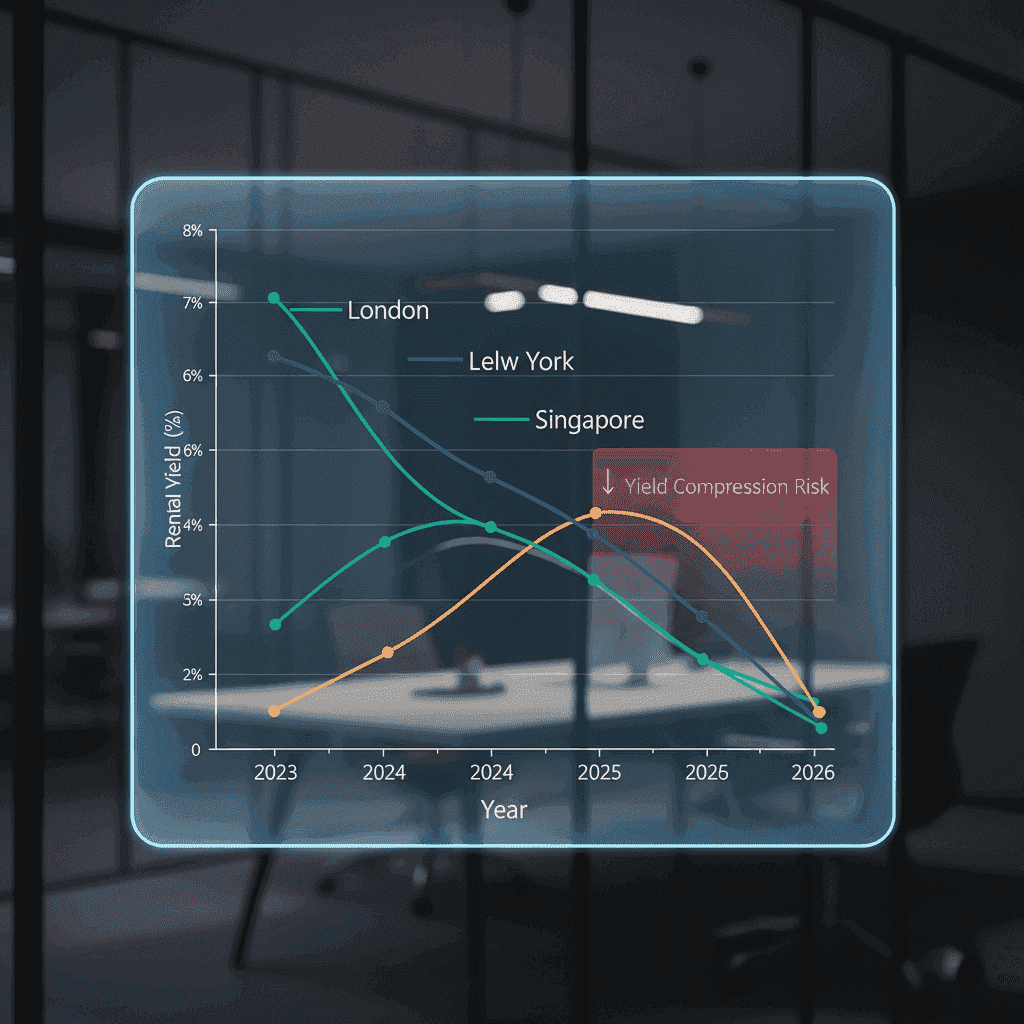
Table of contents
- Overview
- What is Rental Yield Compression and Why Does It Matter for 2026?
- Defining Rental Yield Compression
- Key Drivers in Overseas Markets
- Impact on Investor ROI
- Which Top Overseas Property Markets Face the Highest Risk in 2026?
- Dubai's Luxury Segment Oversupply
- Bali's Short-Term Rental Saturation
- Spain's Regulatory Headwinds
- How Do Market Dynamics Contribute to Yield Compression?
- Supply-Demand Imbalance
- Rising Operating Costs
- Shifting Tenant Preferences
- Mitigating Rental Yield Compression: Proactive Strategies for Investors
- Diversification Across Asset Classes
- Value-Add Property Enhancements
- Dynamic Pricing and Marketing
- What Role Do Economic Indicators Play in Predicting Compression?
Framework
- Overview
- What is Rental Yield Compression and Why Does It Matter for 2026?
- Defining Rental Yield Compression
- Key Drivers in Overseas Markets
- Impact on Investor ROI
Cluster links
Related in cluster
Comparative table
| Metric | Observation | Investor note |
|---|---|---|
| Yield | Market-dependent | Verify net yield assumptions |
| Liquidity | City and district dependent | Test exit time under stress |
| Legal safety | Jurisdiction and structure dependent | Complete legal due diligence first |
Overview
Rental yield compression signifies a decline in the income-to-value ratio of an investment property, impacting overall returns. For overseas property investors in key markets like Dubai, Bali, and Spain, understanding and proactively addressing this risk is crucial for protecting profitability in 2026.
What is Rental Yield Compression and Why Does It Matter for 2026?
Rental yield compression occurs when the rate of rental income growth slows or stagnates relative to property value appreciation or rising operational costs. This phenomenon directly impacts an investor's cash flow and overall return on investment, making it a critical metric to monitor, particularly in dynamic overseas markets projected for 2026.
Defining Rental Yield Compression
Rental yield compression fundamentally refers to a scenario where your property's net rental income as a percentage of its value decreases. This can happen even if rents are rising, but property prices are rising faster, or if operating costs outpace rental growth. It signals a tightening margin for investors, necessitating a closer look at market dynamics and operational efficiency.
Key Drivers in Overseas Markets
The primary drivers of yield compression in overseas markets for 2026 include oversupply in specific segments, increased competition from new developments, rising interest rates affecting financing costs, and escalating property management expenses. In popular destinations such as Bali, increased villa developments can saturate the short-term rental market, while in Dubai, new off-plan launches can dilute rental demand in established areas.
Impact on Investor ROI
The direct impact of rental yield compression on investor ROI is a reduction in the annualized return from rental income, potentially turning a strong cash flow positive asset into a less attractive one. This erosion of returns can diminish the appeal of an investment, even if capital appreciation remains strong, affecting overall portfolio performance and future investment decisions. Which Top Overseas Property Markets Face the Highest Risk in 2026? How Do Market Dynamics Contribute to Yield Compression? Mitigating Rental Yield Compression: Proactive Strategies for Investors What Role Do Economic Indicators Play in Predicting Compression? Local Regulations and Policy Changes Impacting Yields How Can Technology and Data Analytics Help Investors in 2026? Developing a Resilient Overseas Property Portfolio in a Volatile Landscape
Which Top Overseas Property Markets Face the Highest Risk in 2026?
Top overseas property markets like specific luxury segments in Dubai, popular short-term rental areas in Bali, and highly regulated urban centers in Spain are particularly susceptible to rental yield compression in 2026. These markets often combine high investment interest with rapid development or evolving regulatory landscapes.
Dubai's Luxury Segment Oversupply
Dubai's luxury segment, particularly in areas like Dubai Marina and Palm Jumeirah, faces potential oversupply risks by 2026 due to numerous new high-end off-plan developments. While demand remains strong, an influx of new inventory can exert downward pressure on rental rates, leading to yield compression. Investors should carefully underwrite new launches, as detailed in our guide on Dubai Off-Plan ROI in 2026 .
Bali's Short-Term Rental Saturation
Bali's most sought-after neighborhoods for short-term rentals, such as Canggu and Uluwatu, could experience saturation by 2026, leading to increased competition and downward pressure on nightly rates. While high returns have been typical, a surge in new villas and guest houses, coupled with potential regulatory changes, might challenge existing yield benchmarks. For insights, refer to Bali Villa Yield Benchmarks 2026 .
Spain's Regulatory Headwinds
Spain's rental markets, especially in major cities like Barcelona and Madrid, face regulatory headwinds in 2026, including potential rent caps and stricter short-term rental licensing, which can compress yields. The Spanish government's ongoing efforts to control housing costs could limit rental income growth, directly impacting investor returns. Understanding specific regional dynamics, as explored in Top Micro-Markets in Spain for Long-Term Rental Demand in 2026 , is vital.
How Do Market Dynamics Contribute to Yield Compression?
Market dynamics such as imbalances between supply and demand, escalating operational costs, and evolving tenant preferences are significant contributors to rental yield compression. These factors collectively create an environment where sustaining high yields becomes increasingly challenging.
Supply-Demand Imbalance
A fundamental supply-demand imbalance, characterized by an excess of available rental properties relative to tenant demand, is a direct cause of yield compression. When supply outstrips demand, landlords are often forced to lower rental prices or offer concessions to attract tenants, thereby reducing their effective yield. This is often observed following periods of rapid construction or economic downturns.
Rising Operating Costs
Increasing operating costs, including property management fees, maintenance, insurance, and property taxes, can significantly erode net rental income, even if gross rents remain stable. For instance, in Dubai, understanding Dubai Service Charges 2026 is crucial, as unexpected increases can severely impact buy-to-let profitability, leading to yield compression.
Shifting Tenant Preferences
Evolving tenant preferences, driven by factors such as hybrid work models, sustainability concerns, or a desire for specific amenities, can make older or less updated properties harder to rent at premium prices. This forces landlords to invest in upgrades or accept lower rents, contributing to yield compression for properties that don't adapt to current market demands.
Mitigating Rental Yield Compression: Proactive Strategies for Investors
Proactive strategies such as diversifying your portfolio, enhancing property value through upgrades, and implementing dynamic pricing models are essential for mitigating rental yield compression. These approaches help maintain competitiveness and profitability in changing market conditions.
Diversification Across Asset Classes
Diversifying your overseas property portfolio across different asset classes, such as commercial, residential, or mixed-use, and various geographical locations, can cushion the impact of yield compression in any single market. Spreading investments mitigates risk. For guidance on strategic diversification, consider our article on How to Build a 3-City Overseas Property Portfolio in 2026 .
Value-Add Property Enhancements
Investing in targeted property enhancements that increase appeal and justify higher rents, such as smart home technology, energy-efficient upgrades, or unique design elements, can combat yield compression. These 'value-add' improvements attract premium tenants and can lead to stronger rental income growth.
Dynamic Pricing and Marketing
Implementing dynamic pricing strategies, particularly for short-term rentals, allows investors to adjust rates based on demand, seasonality, and local events, optimizing occupancy and revenue. Coupled with targeted marketing, this strategy ensures your property remains competitive and maximizes its earning potential, offsetting downward pressures on yields. Conduct Thorough Market Research: Analyze local supply-demand trends, upcoming developments, and regulatory changes in your target market. Optimize Operating Costs: Regularly review and negotiate property management fees, insurance, and maintenance contracts. Invest in Strategic Upgrades: Prioritize renovations or amenities that genuinely increase tenant appeal and rental value, rather than generic improvements. Implement Dynamic Pricing: Utilize data analytics and property management software to adjust rental rates based on real-time market conditions. Diversify Your Portfolio: Spread investments across different property types, locations, and rental strategies (long-term vs. short-term) to reduce concentrated risk. Stay Informed on Regulations: Monitor local and national policy changes, especially concerning short-term rentals, taxation, and tenant rights.
What Role Do Economic Indicators Play in Predicting Compression?
Economic indicators such as interest rate fluctuations, inflation rates, and GDP growth are crucial for predicting potential rental yield compression because they directly influence borrowing costs, operational expenses, and tenant affordability. These macro trends provide early warnings for investors to adjust their strategies.
Actionable conclusion
Establishing a strategic exit plan from the outset, including understanding potential resale values, market liquidity, and capital gains implications, prepares investors for scenarios where yield compression makes holding a property unviable. A clear exit strategy ensures that even if rental income diminishes, overall investment returns can be optimized upon sale.